 By
By In North Texas, December is more than just a holiday season; it is a time to focus on preventing further weakening of asphalt surfaces before the holiday season freeze sets in. While it is not classified as a winter season, the Dallas–Fort Worth region will experience winter-like temperature variations, heavy rains, and the very rare freeze. This region’s climate can lead to failure of the asphalt if not properly prepared for and maintained.
Your asphalt surfaces will experience greater issues in the very near, early spring months if you do not take the time in December to repair, address, and prepare damaged surfaces for winter. Regardless of whether you manage a commercial parking lot or a residential driveway, the principle is the same: save on future winter and spring maintenance costs by protecting the asphalt surface from winter damage.
The Importance of December for Maintaining Asphalt in North Texas
The weather in North Texas is quite unpredictable, making December one of the best months for conducting asphalt maintenance work.
Weather Patterns for December in the Dallas-Fort Worth Area
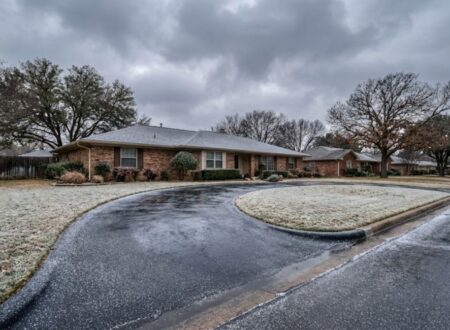
During December, the DFW Area experiences the following:
- Moisture during seasonal rains
- Cold snap freeze/thaw cycles
- Overnight rapid drops in temperature
This weather exhibits the ability for moisture to penetrate small cracks, freeze, expand, and begin to internally break the pavement apart. It only takes one freeze after a rainfall to wreak havoc on the pavement.
Increased Traffic During Holiday Season
North Texas commercial parking lots are subject to a high volume of vehicle traffic during:
- Holidays
- Family reunions
- Seasonal festivities
An increase in the number of vehicles within a parking lot adds to the overall stress that the pavement is placed under, especially if it is already exhibiting signs of cracks and soft spots.
The pavement is due to an increase in surface temperature because of an increase in surface temperature due to the thermal activation of the asphalt.
Preserving Structural Integrity Before Colder Weather
In December, it is of utmost importance to ensure that the moisture, even if only mildly freezing, does not weaken the remaining asphalt layer. This can be achieved and ensured by:
- Repairing surface protective layers
- Preventing base layer deterioration
- Assuring long-term structural integrity
December is one of the best months to conduct repairs and inspections of asphalt before the winter season sets in.
Your Asphalt Maintenance Checklist for the End of the Year
The following is an asphalt maintenance winter preparation checklist of the highest professional quality.
1. Check for Minor Cracks and Damage
The first step is to conduct a thorough inspection, looking for:
- Fine crack patterns
- Edge breaks
- Surface deteriorations
- Raveling of the asphalt into loose gravel
- Restriction of asphalt depressions
Even small fissures will allow water to enter the asphalt base. When that ice freezes, it expands and lifts the pavement. The earlier issues are detected within the surface of the asphalt, the more cost and time will be saved on the repairs.
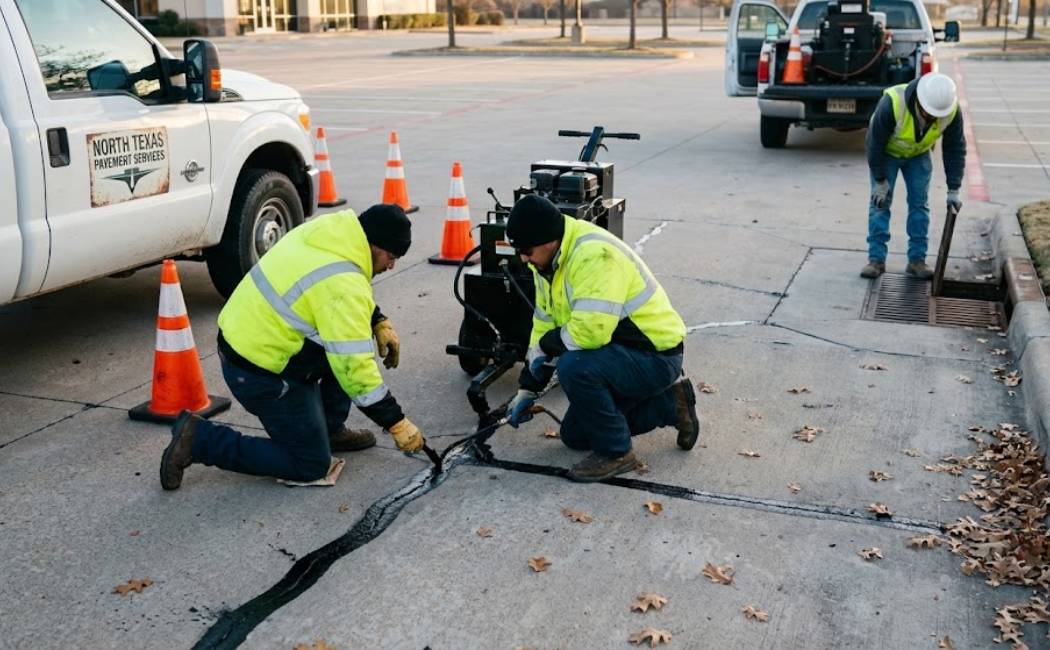
2. Seal Small Cracks Immediately Before
Moisture sealing is an important task to be done in December.
The urgency of the task lies in:
- Cold surface sealing only works if the moisture is dry
- Cracked pavement will be lost to potholes in January and February
- Professional sealing will protect the asphalt for a longer time
Very small cracks may be sealed off in a DIY fashion, but for larger cracks that are longer or deeper, professional materials are necessary to bring a sealing to an injury.
3. Assess the Area’s Drainage and Gutter Flow
In winter, drainage problems emerge faster than in the other seasons. Assess all pavements to ensure stormwater has a predictable path away from the asphalt surfaces.
Indicators of drainage problems include the following:
- Clogged gutters
- Water flow blockages from leaves and dirt
- Water retention in an area for hours after rain
- The edges of the pavement are soft
- The edges of the pavement are soft
- Pavement has standing water, which is particularly problematic, as it weakens asphalt and leads to winter damage
It takes minutes to clear a drainage path, while the potential for winter damage and repair costs can be expensive.
4. Surface Repair
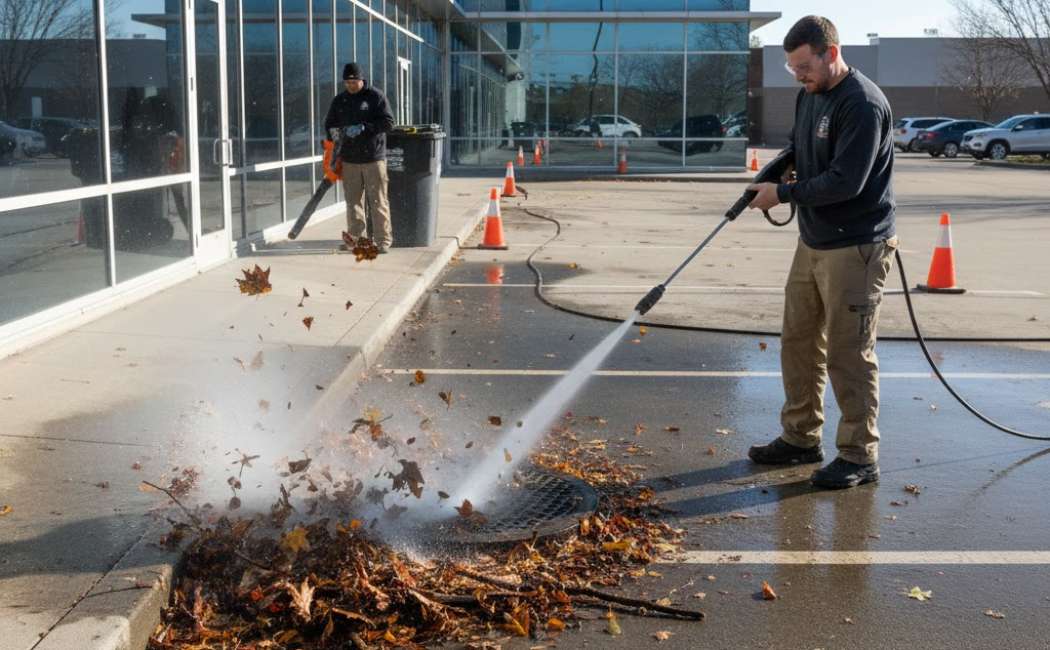
Protective pavements are inspected and repaired after the winter. Pavement needs to be cleaner than in surface repair, as dust and debris will be diminished in the surface repair.
Leaves trap moisture on the surface, oils weaken asphalt binders, and debris will cover cracks and soft spots.
Choose a safe cleaning method that corresponds to your property type:
- Residential driveways: blower, broom, mild detergent
- Commercial lots: pressure washing
Pressure washing is best practiced by certified professionals.
5. Repair Potholes or Depressed Areas Right Away
Winter accelerates the rate at which potholes grow and how widespread the damage becomes.
The effects of the cold on potholes and their growth:
- Increased precipitation means more evaporation and delayed infiltration of water.
- Damage is worsened and deepened by vehicular traffic.
- Depressed areas cause water pooling.
The damage is worse and enhanced by vehicle traffic intrusion. A temporary cold mix is recommended in December, but as soon as the cold season ends, long-term durability is strengthened with a hot-mix repair. Waiting until closer to the spring often increases costs.
6. Evaluate Sealcoating Needs for Added Winter Protection
Moisture and oxidation can be defended against with sealcoating.
When to Sealcoat:
- If the asphalt appears dry, brittle, or worn
- If the asphalt surface feels worn and unprotected
- If the asphalt surface has a gray or faded appearance
When sealcoat is likely not needed:
- If the asphalt is brand new (less than 6 months old)
- If the surface was seal-coated in the past 18 to 24 months.
Sealcoating is a beneficial additional layer of protection for high-traffic commercial parking lots, especially when added in preparation for winter.
Warning Signs You Should Not Ignore Before Winter Season
These signs are weak asphalt, so take them seriously:
- Gray or faded surface (oxidation)
- Uneven areas or dips
- Patterned microfractures (early alligator cracking)
- Standing water
- Asphalt edges are wearing or breaking away
If you see any of these signs, December is your best chance to fix these problems before they get worse.
Final Thoughts
If you want to protect your asphalt from winter damage, keep your asphalt safe and relatively damage-free over the winter, and avoid costly damage repairs in the spring, completing your asphalt repairs by December makes the most sense. Your parking lot or driveway will remain in good condition during the winter with some basic insulation maintenance: drainage repairs, asphalt crack sealing, and cleaning repairs.
If you want to proactively protect your asphalt from the upcoming winter with professional assistance, rely on Texas Asphalts.