 By
By More homeowners and communities are starting to use chip sealing as an environmentally friendly alternative to traditional asphalt replacement when it comes to maintaining driveways, roads, and commercial pavements. Asphalt renovation requires removing the old pavement and putting new pavement down. With chip sealing, the entire surface is left intact and is upgraded with a protective, durable surface.Chip sealing is also eco-friendly, making it the preferred option among property owners in Texas.
Here in this blog, the main contact and chip sealing environmental benefits that make it a superior and greener option than complete asphalt replacement.
Reduced Waste Materials
Reuse of the Underlying Asphalt Surface
One of the most important environmental advantages of chip sealing is the opportunity to reuse the underlying asphalt base. Rather than removing the old pavement that would create a large amount of material to dispose of, chip sealing helps to maintain and restore the existing surface.
This alone reduces the amount of waste that is created and the old asphalt that would typically landfill. Asphalt waste is landfill, and by removing it, property owners are saving money and helping the landfill.
Less Debris Sent to Landfills
The standard method of asphalt replacement generates huge quantities of broken asphalt debris. Not only does disposal take up landfill space, but disposal also requires large trucks and considerable fuel consumption. Chip sealing eliminates this waste.
Very little debris is created during the preparation of chip sealing. This results in:
- Lower landfill impact
- Reduced transportation emissions
- Cleaner and more sustainable construction practices
Lower Carbon Footprint
Less emissions from asphalt production
New asphalt production requires a considerable amount of heating and processing. Not to mention transportation, which all contribute to more CO₂ emissions. Since chip sealing requires only a thin layer of asphalt emulsion along with aggregates, the process needs far fewer new materials.
Thus, the carbon footprint is noticeably lower with chip sealing. Less heating means less manufacturing, and fewer new materials, which all substantially add up to big environmental savings.
Reduced Heavy Machinery Usage
Full asphalt replacement requires the use of large earth-moving equipment, along with dump trucks, rollers, and milling machines. This equipment consumes large amounts of diesel fuel, contributing to greenhouse gases in the atmosphere.
Chip sealing requires compact, lightweight machinery, which means:
- Reduced fuel consumption
- Reduced exhaust emissions
- Reduced on-site air pollution
Fewer machines also means less disruption for property owners and neighboring communities.
Energy Efficiency
Normal asphalt replacement consumes a lot of energy and requires:
- Removing old pavement
- Taking old pavement off-site
- Generating new asphalt
- Moving construction materials
- Putting on and pressing down new layers
So when you add it all up, it requires a bunch of energy.
Because chip sealing only requires treatment of the surface, energy consumption over the whole process is reduced by 75%. This makes chip sealing a greener option over the long term.
Minimal Transportation of Materials
Because fewer materials are required for chip sealing, suppliers and contractors are going to take fewer trips to the work site. This hauling reduction means less fuel consumption, lower emissions, and less road wear caused by heavy trucks.
Environmental conservation is very important, and so in states like Texas, where the distance between the suppliers and jobsite is large, reducing transportation needs can really make a large difference.
Preservation of Natural Resources
Reduced New Asphalt Materials Required
Production of asphalt requires a lot of naturally occurring resources and is very petroleum-intensive. Full replacement requires the consumption of a lot of these resources, heavily impacting the environment.
Chip sealing uses a small fraction of the new materials that asphalt requires. This helps conserve a lot of limited natural resources.
- Oil
- Stone aggregates
- Sand
Over time, this conversation really makes for a great sustainable pavement management strategy.
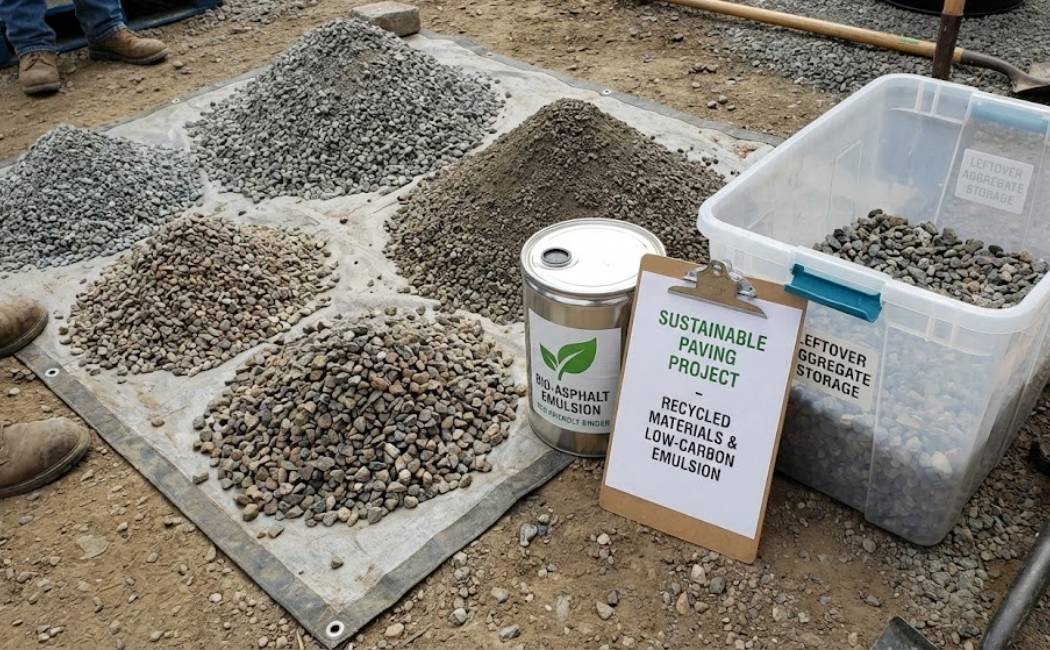
Conservation of Gravel, Oil, and Aggregates
As chip sealing adds several years to the life of existing pavement, the amount of natural resource extraction needed will significantly reduce. This, in turn, will mean:
- Fewer quarry operations
- Reduced petroleum consumption
- Less demand for heavy mining equipment
All of which are healthier for ecosystems and the environment in the long run.
Extended Pavement Lifespan
Slows Deterioration, Delaying Full Replacement
By sealing cracks, strengthening surface layers, and protecting pavement from water intrusion and oxidation, chip sealing slows the natural deterioration of pavement. This enables property owners to extend pavement life by 5-10 years or more.
As a result, there will be fewer full replacements over the lifecycle of a property, which reduces waste, conserves resources, and limits environmental damage.
Less Frequent Construction = Less Environmental Impact
Every construction project comes with its own environmental footprint. Chip sealing reduces the environmental footprint by decreasing the frequency with which major pavement reconstruction is needed. This results in a reduction of:
- Repeated fuel usage
- Equipment emissions
- Noise pollution
- Land disruption
With the longer pavement life, the environmental impact is reduced over time.
Affordable and Green
Marrying Affordability and Eco-Friendliness
Chip sealing is a rare, cost-efficient pavement solution, as it:
- Lowers initial construction cost
- Lowers life cycle maintenance costs
- Has less negative impact on the environment
Which is why chip sealing is suitable for Homeowners, HOA communities, county roads, ranch properties, commercial parking lots, etc
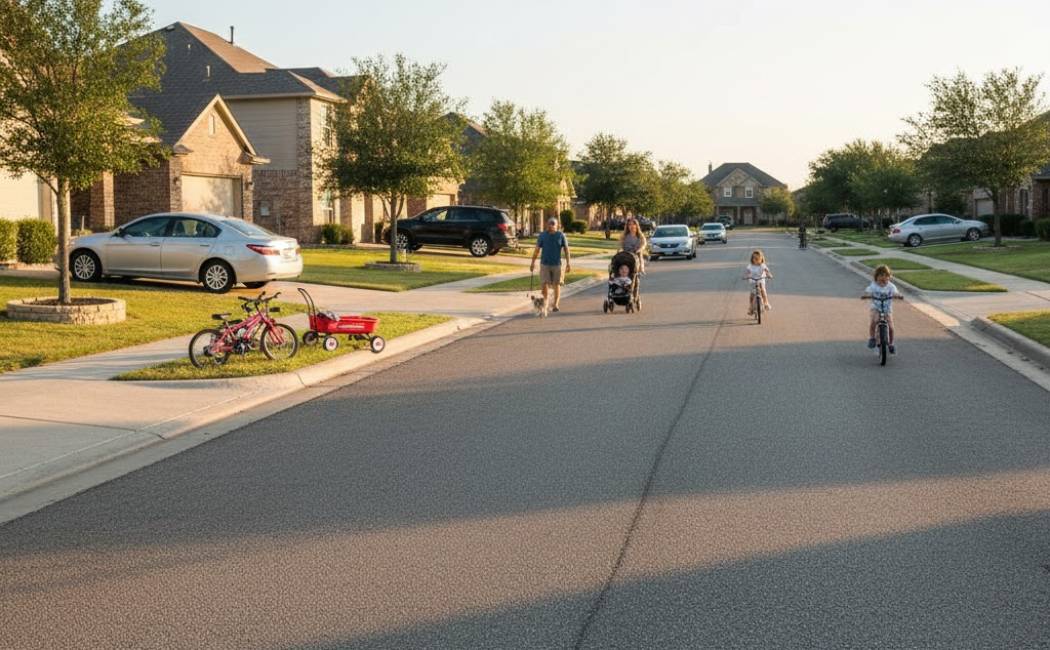
It’s because of the acceptable goals that many homeowners in Texas choose chip sealing as the best value option.
Applicable to all Residential and Commercial Texas Properties
The Texas Chip Seal climate of heat, UV, and rain is unforgiving on sealed and unsealed pavements. Chip sealing offers a permanent and robust solution for these pavements.
Chip sealing is treasured in Texas because it as it:
- Lowers heat absorption
- Lower sun caused oxidation
- Lowers moisture penetration
- Has a much lower cost than asphalt reconstruction
The best chip sealing service in Texas is the best choice for value-seeking pavement owners for long-lasting solutions.
Conclusion
Chip sealing is the greener alternative to environmentally costly full asphalt replacement. Chip sealing offers numerous environmental benefits, as it is environmentally and financially viable, as it saves landfill space, emissions, and natural resources, all while prolonging the life of the pavement.Chip sealing is a long-lasting, economically viable, and green solution for eco-friendly property owners. Regardless of whether it is for a home driveway or a large commercial pavement, chip sealing is one of the most environmentally friendly pavement-preserving options. Selecting the Best Chip Sealing Service in Texas is guaranteed to provide you with a premium, sustainable solution that is engineered to endure wear and tear.