 By
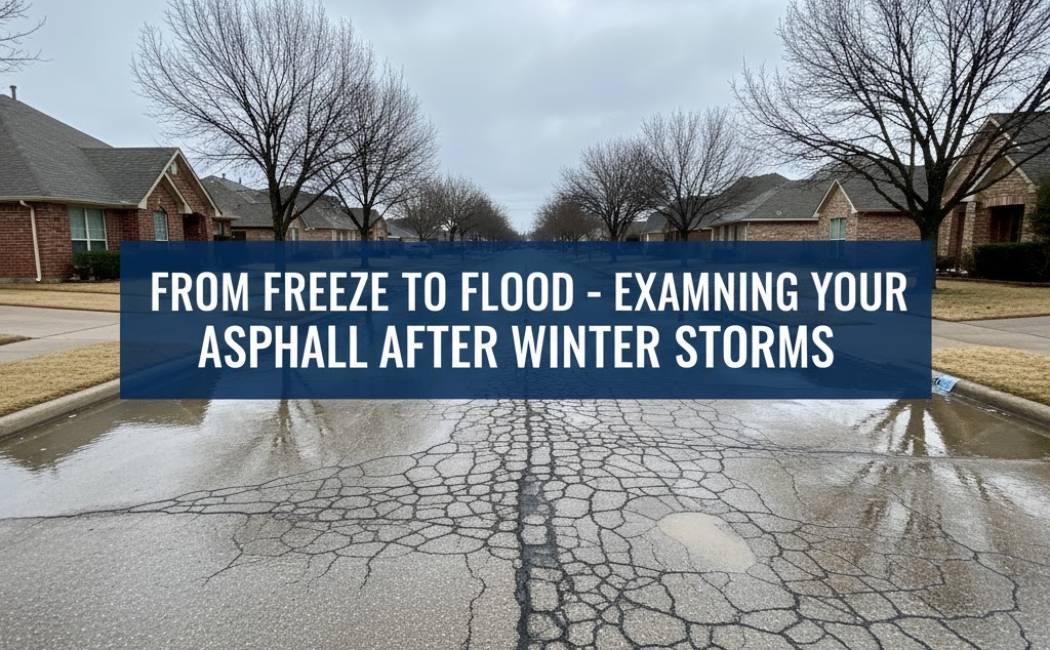
By Texas rainfall is notorious for its dramatic swings. Overnight freezes can give way to heavy rains the coming day, putting your asphalt through extreme stress. Asphalt naturally expands and contracts with temperature shifts, and retired damage can grow quickly if left unlimited. After a storm, a fast examination can save you expensive repairs and cover your driveway, parking lot, or marketable lot from long- term damage.
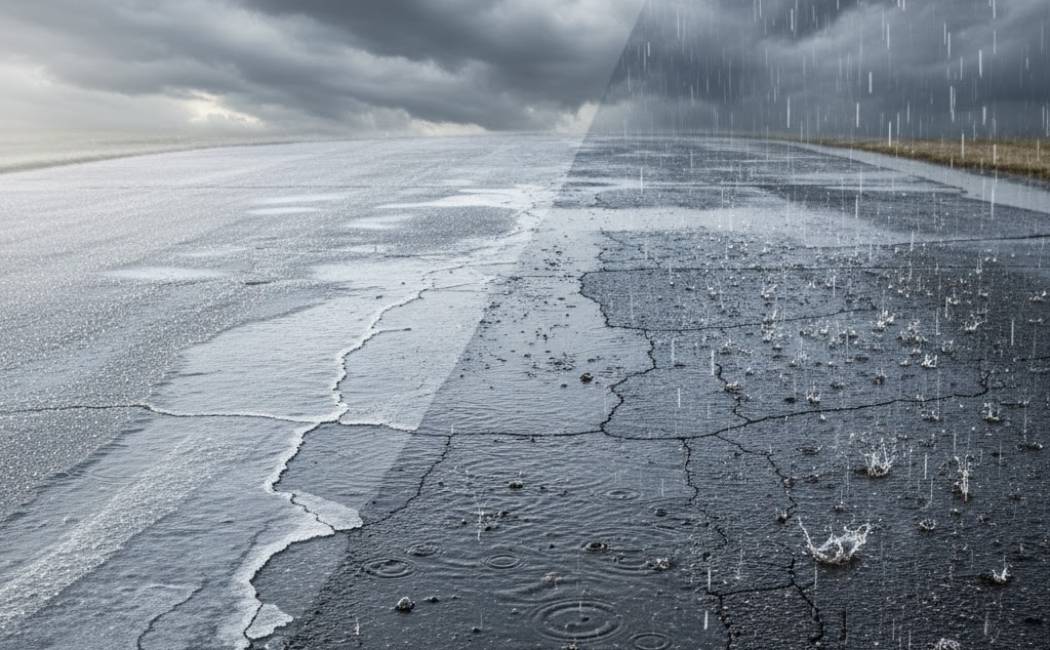
How Winter Storms Damage Asphalt in North Texas?
1. Freeze–Thaw Cracking
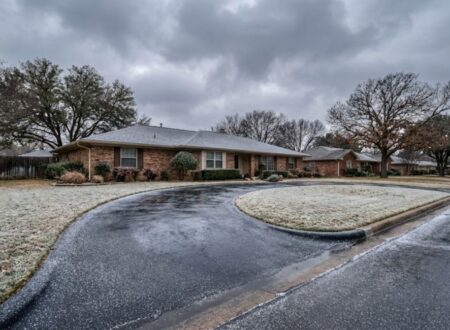
During a snap – thaw cycle, water seeps into certainly the lowest cracks in your asphalt. When temperatures drop, the water freezes and expands, forcing cracks to widen. Repeated cycles — like those seen in the 2021 Texas snap or downtime storms from 2023 – 2025 in the DFW area — accelerate damage, leaving your pavement vulnerable to potholes and structural failure.
2. Flooding & Drainage Issues
Heavy downfall after a snap can begetsub-base corrosion. Water that does n’t drain duly pools on the face, weakening asphalt and creating soft spots. Flooding combined with snap damage is one of the leading causes of accelerated asphalt deterioration in North Texas.
3. Oil & Chemical Lift from Vehicles
Storm runoff can push vehicle canvases and chemicals into asphalt shells. Over time, these pollutants weaken relating between the asphalt layers, adding the threat of cracks and potholes.
4. Snow/ Ice junking Damage( if applicable)
In areas that witness ice accumulation, snow plows or essence shovels scraping your driveway or lot can mince or scrape the asphalt face. Certainly minor scraping can lead to long- term damage if the pavement is n’t repaired instantly.
5. Post-Storm Asphalt Inspection Checklist
- Look for Deep or Spreading Cracks: Examine your asphalt for cracks that appear deeper or longer than they were before the storm.
- Check for Potholes — CertainlySmall Bones Grow: Certainly bitsy potholes can expand snappily under business and fresh rain. Catching them beforehand prevents larger repairs.
- Look for Water Pooling or Soft Spots: Water that remains pooled for 24 – 48 hours is a sign of drainage issues or a weakened sub-base.
- Check Edges — They Fail First: Edges are most vulnerable to snap- thaw cycles and corrosion. Check borders along driveways and parking lots.
6. Faded or Cracked Sealcoat Layer
Sealcoat protects asphalt from water infiltration and UV damage.However, it’s time for a refresh if your sealcoat is cracked or faded.
Mini Callout
If you notice any changes compared to before the storm — get it audited ASAP.
When Should You Call a Professional?
- Cracks wider than 1 inch
- Water pooling for 48 hours
- Sub-base feels soft; driveway or lot seems to “ sink ”
- Potholes reappearing after doctoring
- Safety hazards for vehicles or guests
Schedule a Free Asphalt Assessment in Your Area
1. Common Winter Repairs in Dallas & Fort Worth
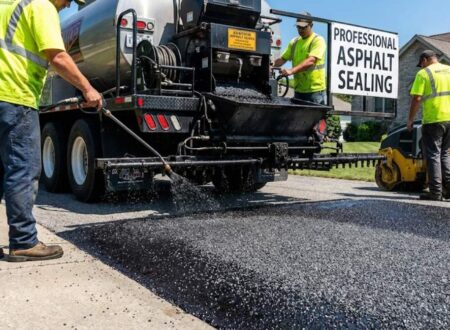
Crack Sealing: Stops cracks from spreading beforehand and prevents water infiltration.
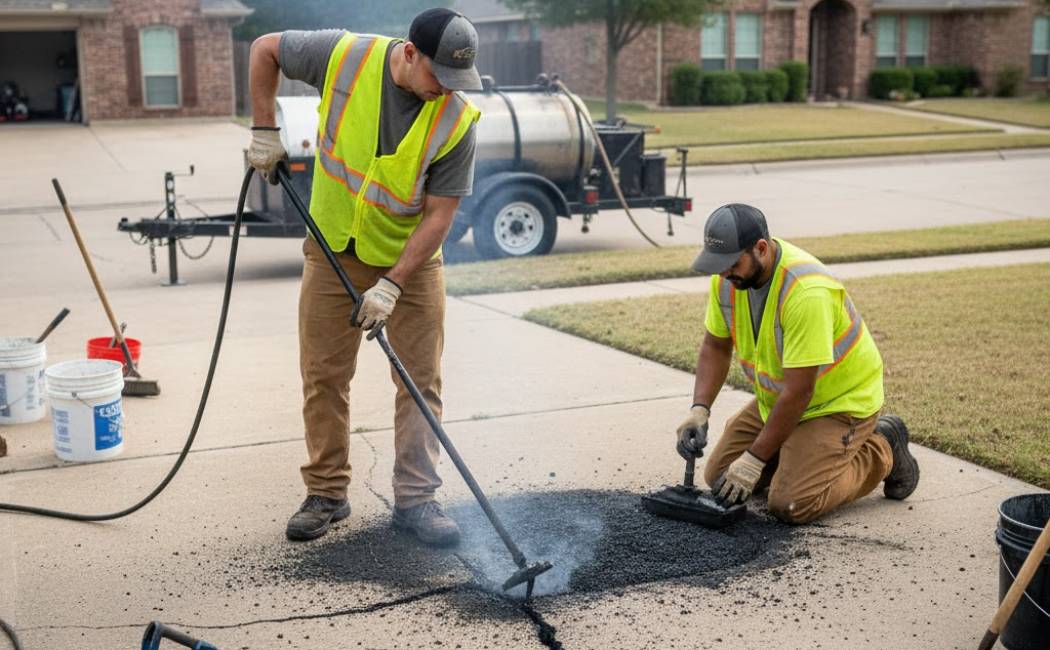
Pothole Doctoring: Cold or hot blend doctoring can repair potholes snappily, depending on urgency.
Infrared Asphalt form: Allows same- day form with flawless blending of old and new asphalt.
Sealcoating Underpinning: A spring season sealcoat strengthens shells and protects against UV, water, and chemical damage.
2. Neighborhood Spotlights— Areas Hit Hard in Recent Storms
- Dallas Plano,
- Lake Highlands,
- Oak Field,
- Deep Ellum
- Fort Worth Tanglewood,
- Fairmount, West 7th
These neighborhoods frequently witness soil movement and repeated snap cycles, accelerating asphalt damage.
4. Client Case Study
Before Cracks and minor potholes after the 2023 downtime storms.
Full crack sealing and sealcoat form restored a smooth, durable face.
Testimonial Fast, professional service — our parking lot looks brand new
Preventive Conservation Before the Next Storm
Prepare your asphalt now to avoid expensive repairs later:
- Sealcoat every 2 – 3 times
- Periodic crack sealing
- Ameliorate grading and drainage inflow.
- Regular parking lot sweeping( keeps water flowing properly)
Why You SHould Choose Texas Asphalt For Your Project?
Texas Asphalt offers fast, dependable, and typhoon-equipped asphalt services across North Texas. From freeze-thaw cracks to flooding harm, our specialists offer unfastened post-hurricane inspections and lengthy-lasting upkeep to hold your driveway or car parking zone safe, easy, and protected 12 months-spherical. If icy weather has impacted your pavement, trust Texas Asphalt for sincere checks, same-week service, and effects that get up to Texas weather.
Final Remarks
Winter storms in North Texas can turn small asphalt issues into major headaches, but with timely examinations and proper conservation, the utmost damage is easy to control. Paying attention to early signs like cracks, pooling water, or soft spots can save you thousands in future repairs. When in doubt, let the professionals take a look. Texas Asphalt is there to help you cover your driveway or parking lot with fast examinations, reliable repairs, and long-term results designed for Texas rainfall.
Stay visionary, stay defended and let Texas Asphalt keep your pavement storm-ready all the time long.