 By
By As a property owner, you have a lot of responsibilities, especially when it comes to maintaining asphalt surfaces like driveways, parking lots, or private roads. Weather, traffic, and aging all wear them down over time, and this leaves homeowners with an important question: sealcoating vs asphalt overlay vs full asphalt replacement, which asphalt services are right for you?
Making a good choice here can save you thousands of dollars when it comes to future repairs as well as enhance the overall look of your property. Additionally, it can also improve the durability of the asphalt and extend the overall lifespan of your pavement. Being able to understand all of these choices is important in order to avoid small problems becoming large, expensive issues, and this is the same for homeowners and commercial property managers. This guide explains all these services in basic terms so you can choose the one that’s most beneficial for your property.
For professional advice, consider contacting the Best Asphalt Service in Texas.
What is Sealcoating?
Sealcoating is a type of finishing layer that is put over the top of existing asphalt. Picture it like popping a layer of sunscreen on top of your skin. It protects the top layer from the elements and chemicals that might be ingested.
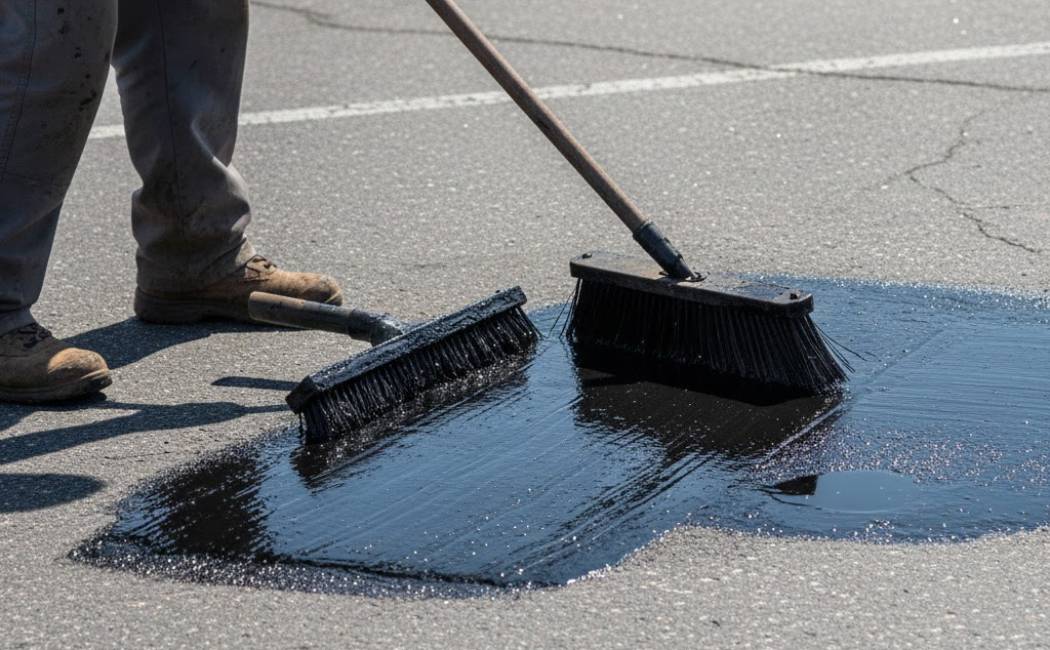
Sealcoating finish and interlocks to provide a protective layer that oxidizes more slowly and fills even the tiniest surface imperfections. It is a preservation technique for younger asphalt and slows the rate of deterioration for asphalt that is getting old.
Best Suited For:
- Asphalt that is straight from the oven and less than 5 years old.
- Minor surface deterioration.
- Asphalt that is not followed up on and is aesthetically let down.
Asphalt Sealcoating Benefits:
- Let’s reduce sunlight’s direct damage to the asphalt.
- Keeps water from being let in. Let’s reduce oxidation from heat transfer.
- Works to fill small to hairline fractures.
- Let’s complete a sealcoating of all surfaces with renewed asphalt with a deep, dark, smooth texture finish.
Cost To Sealcoat
On average, seal coating costs between $0.15 and $0.30 per square foot; costs may vary based on seal coating type, pavement condition, and total area needing coverage. Overall, homeowners can expect reliable, preventive maintenance costs to seal-coat their entire asphalt surface.
Signs that Your Asphalt Requires Sealcoating
Pavement showing the following signs may be ready for sealcoating:
- Light gray discoloration of the pavement.
- Small horizontal lines and surface dry.
- Minor asphalt wear due to the weather or vehicle traffic.
- The surface texture is mildly rough or slightly worn.
If your asphalt is still intact and only requires surface-level treatment or minimal protection, sealcoating is the most practical, affordable choice.
What is an Asphalt Overlay?
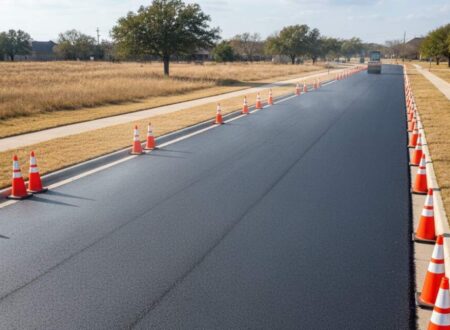
An asphalt overlay process includes putting new asphalt on top of the existing asphalt. Whereas sealcoating is an asphalt protective layer only, sealcoating adds structural strength, as well as providing a new surface.
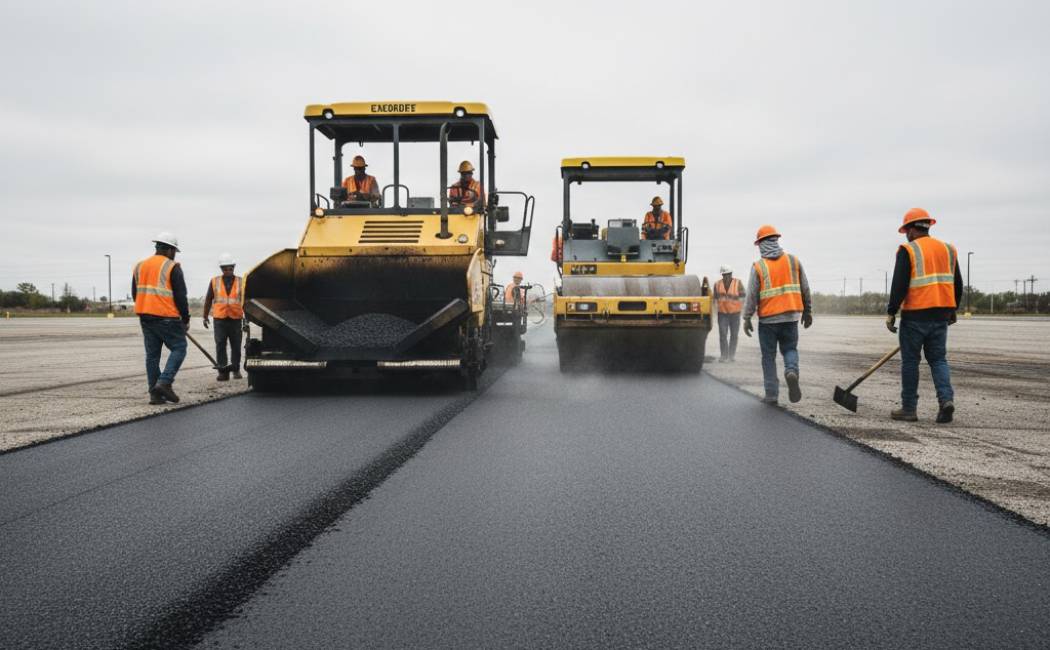
When asphalt is moderately worn but is also not damaged enough to need a full removal, this process is ideal.
Best For:
- Even surfaces that have multiple cracks.
- Any driveway or parking lot that is uneven or shows signs of distress.
- Buildings or properties with simple patchwork or minor potholes.
- Old asphalt with a stable base that is around 7 to 15 years old.
Key Benefits:
- The smoother surface feels new, and the appearance is rejuvenated.
- Provides structural strength to the surface.
- Compared to sealcoating, this process is more durable.
- Deep surface damage can be repaired without the need to completely reconstruct the surface.
What is the Average Cost
The average cost of this service is $1.50-$3.00 per area. Typical cost range is dependent on the amount of preparatory surface work that is needed, as well as the thickness of the asphalt to be added.
Signs Your Asphalt Deserves an Overlay
The best way to know if you should consider an overlay is the presence of the following signs.
- Cracks that have begun to spread.
- Uneven surface areas that have a rough feeling when being driven over.
- Previous patching that compositely appears uneven.
- Presence of minor potholes, with the condition that there are no major structurally deeper surface issues.
For parking lots that are commercial, the overlay process is a great equilibrium between long-term performance and cost. Overlays work great on commercial lots that have a lot of ongoing and steady traffic.
Full Asphalt Replacement
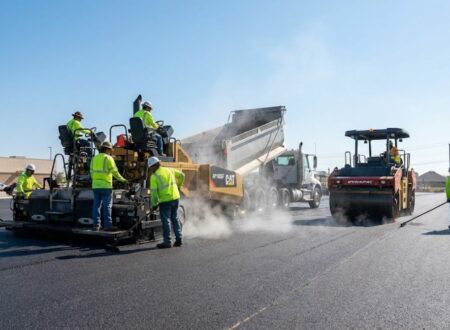
Your most comprehensive option is full asphalt replacement, which entails removing all the existing asphalt layers, making repairs or rebuilding the base, and finally re-paving with fresh asphalt. This option is also the most permanent.
In cases where the asphalt covering suffers serious structural damage, it is not sufficient to simply patch or coat the surface. A complete replacement is the only way to give the trouble spot a truly stable and durable foundation.
Perfect For:
- Asphalt older than 15–20 years
- Surfaces with large areas of severe cracking or areas where asphalt is sinking
- Parking lots or driveways that have multiple large, deep potholes
- Areas where the base is visibly failing
Key Benefits
- Longest lifespan of all options (20–30 years)
- No more problems originating from underlying issues
- Issues with drainage are corrected
- Brand new pavement that is smooth and strong
Average Cost
Generally $4.00 to $7.00 per sq. ft., depending on the amount of excavation that is needed and if base repairs are required.
Signs Your Asphalt Needs Full Replacement
If any of the following signs are present, your asphalt most likely needs to be replaced:
Numerous large potholes
- Deep, linearly cracking areas that resemble a pattern (also known as alligator cracking)
- The asphalt base is sinking or pooling water
- Asphalt is severely broken into large, loose chunks
If the foundation is shot, then no amount of coating or overlay will do. Replacement is the only effective option within that scenario.
A Review of All Three Options
The following is a simplified comparison to aid in determining the best fit for your property:
Sealcoating
- Cost: Low
- Lifespan Impact: Adds 2–3 years
- Ideal For: For younger asphalt, light protection
- Purpose: This is a routine maintenance task.
Overlay:
- Cost: Average
- Lifespan Impact: Adds 8–10 years
- Ideal For: For moderate cracks and surface wear.
- Purpose: This is to provide strength and cosmetic enhancement.
Full Replacement:
- Cost: Most Expensive
- Lifespan Impact: 20–30 years
- Ideal For: For severely damaged and old asphalt.
- Purpose: This is a total structural rebuild.
Preventive Tips to Maximize Asphalt Lifespan
To get the appropriate return on your investment, conduct the following procedures to avoid pricey repairs:
- Seal coat every two to three years
- Immediately filling cracks to stop water infiltration
- Make repairs on potholes to stop them from expanding
- Avoid base damage by maintaining proper drainage
- Annual inspections help avoid problems by identifying them early
Comprehensive, consistent maintenance will enable ongoing cost benefits and prevent the performance from deteriorating.
The Final Thoughts
Consider the condition and age of your pavement alongside future objectives to inform your choice of pavement servicing:
- Preventative maintenance and new pavements will benefit from sealcoating.
- For pavement that is moderately worn and in need of maintenance, overlays will be adequate.
- For asphalt that has serious damage to the structure, full replacement is the best option.
Ready to improve your pavement? Contact Texas Asphalts today for a free assessment and the right solution for your property.