 By
By Asphalt Pavement Texas faces some of the toughest three-factor asphalt pavement conditions. With terrible heat, sudden rain, and freezing winter conditions, the Texas asphalt pavement needs to be engineered, customized, and designed for high-performing systems. When constructing and maintaining a parking, commercial roadway, or driveway, Texas pavement design and the necessary conditions to withstand the heat, rain, and freeze are critical to pavement performance.
Why Texas Pavement Needs Special Engineering
High summer temperatures that soften asphalt
Asphalt is tested like never before in Texas due to the diverse soil compositions across the state and extreme weather. Texas is famous for big skies and big highways. Here are some of the reasons why Texas pavement must be built differently.
Summers in the Lone Star state are incredibly hot, and frequent temperatures exceed 100°F.
This causes softening to occur in standard asphalt compositions and causes:
- Rutting in wheel paths
- Deformation of the surface in parking lots
- Premature aging and softening due to UV exposure
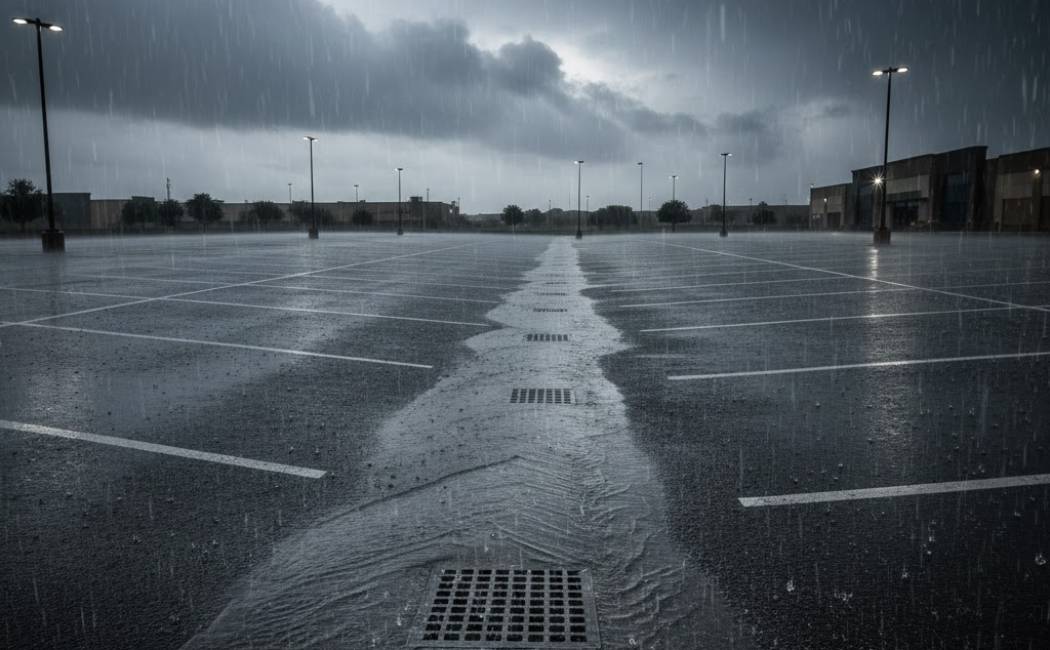
This results in substandard asphalt mixes holding their shape for less than ideal long-term expectations. Dry weather in Texas can be followed by showers of rain, and moisture is the enemy of pavement.
- Moisture is the weakening of the base underneath
- Quick formation of potholes
- Low spots
- Standing water hazards
- UDV soft erosion
This moisture damage is the leading cause of asphalt failing on or before its expected lifespan.
Rare freezes and freeze-thaw cracking
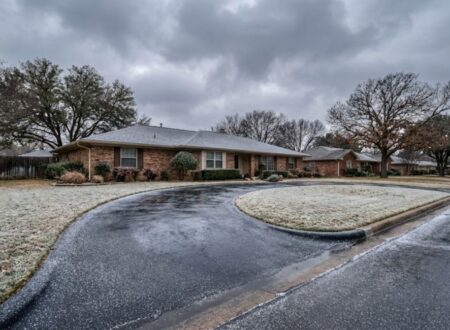
Most of Texas does not have long winters, but when there are periods of cold, the pavement takes abuse. Water caught under the surface freezes, then expands, and then contracts when it thaws.
This cycle causes small cracks that can lead to:
- Edge cracking
- Block cracking
- Surface detachment and erosion
Even a couple of freeze events per year can do extensive damage to asphalt not engineered for this climate.
Why regular asphalt mixes fail in the Texas climate
Asphalt mixes are designed for temperate climates with steady temperatures, not the extreme swings in statewide Texas.
They also:
- Become soft and malleable in extreme heat
- Become saturated in heavy rain
- Develop cracking in the winter freeze cycle
To satisfy the requirements of the Texas climate, performance-based asphalt, not a standard generic mix, is required.
Choosing the Correct Asphalt Mix for the Texas Climate
Choosing the correct asphalt mix influences the life of the pavement. Various geographical locations and uses call for different custom engineering solutions.
High-Temperature Performance Mix. (Heat Resistant)
Contractors use polymer-modified asphalt binders to withstand the extreme heat.
These mixes provide:
- Superior rut resistance
- Higher stability under heavy traffic.
- Better resistant to softening or deformation.
They’re perfect for:
- Commercial parking
- Busy retail centers
- High-traffic roadway and intersection
Even on the hottest August afternoons, polymer-based asphalt keeps pavement firm and stable.
Rain-Resistant & High-Drainage Mixes
For regions where poor drainage and frequent rains are an issue, open-graded asphalt mixes are very effective.
These mixes:
- Allow water to flow through the pavement
- Reduce the splash and spray that occurs over roadways
- Prevent water from being trapped below the surface
This greatly decreases the number of potholes and the base-layer deterioration from standing water.
Freeze-Resilient Mix for North Texas
In North Texas, including the Dallas-Fort Worth metroplex, winter months are more frigid, and some snow is even possible. Pavements that are in these areas need to be fine-graded, freeze-resistant mixes that are designed to:
- Withstand freeze-thaw cycles
- Microcracks are impeded
- The structure is kept intact
For other areas that face the same wide-ranging temperature shifts, these mixes are great for suburban neighborhoods and commercial areas in winter.
Smart Base Construction for Extreme Weather
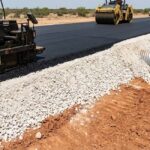
Nothing beats a solid base and a good asphalt mix. Texas pavements need extra care below the surface.
Thick, stable base for heat & moisture protection
A thick base layer:
- Holds structure during intense heat
- Prevents shifting during torrential downpours
- Keeps moisture away from the asphalt layer
- A well-built base significantly increases the lifespan of the pavement.
Foundation Compaction to Avoid Sinking After the Rain
Soils in Texas clay-heavy regions swell when wet and shrink when dry. Proper compaction guarantees:
- No sinking of the pavement.
- Depressions and standing water will be avoided.
- The asphalt will remain stable across seasons
Geotextiles for drainage and longevity
Geotextile fabrics are typically placed beneath the base to:
Enhance drainage, Strengthen loose soils, Stop water from moving upward
When paired with asphalt, extreme weather will be no match for the augmented longevity.
The Need for Proper Drainage Design
The best asphalt and installation will be ruined by poor drainage. Effective water management is important in Texas.
Drainage Run Off
Contractors specifically design pavements with a slope to:
- Direct water flow in a natural manner, drainage flow
- Avoid stagnant water pools
- Minimize stress on the base layer
Water Drainage Design for Commercial Parking Areas Storm Water Design
Large commercial properties require purpose-built engineered storm water systems to include:
- Inlets
- Gutters
- Culverts
- Retention basins
This design protects the pavement structure and avoids flooding in heavy rain.
Edge Drain Systems To Avoid the Collapse of Pavement
Edge drains assist in:
- Removing water from the edge of the pavement
- Avoiding edge cracking
- Preserving the structure
These systems are beneficial for large parking lots and roads.
Most Recent Applications in Texas
These tailored asphalt solutions apply to almost every type of property.
- Residential driveways in the heat: Homeowners gain the advantage of heat-resistant mixes, as well as appropriate sealing to protect the driveway from the sun’s heat
- Commercial shopping plazas with high traffic & storm runoff: From a safety and longevity viewpoint, every business requires durable, high-quality asphalt and engineered drainage systems.
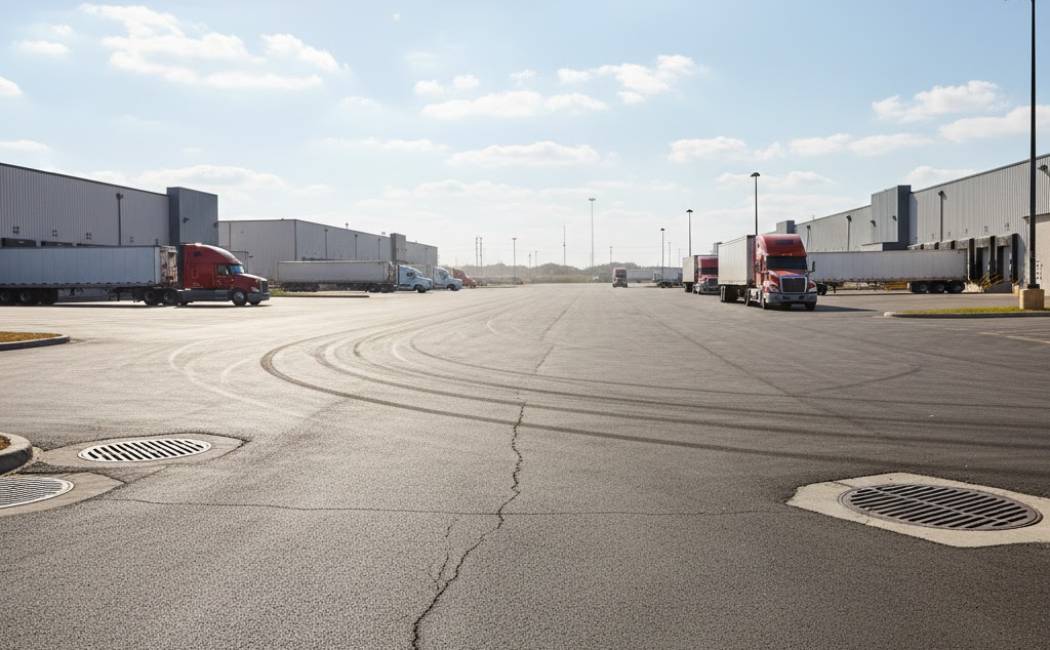
- Industrial yards with heavy trucks are sensitive to winter: These sites need reinforced bases, polymer-mixed modified asphalt, and high-frequency maintenance to maintain heavy loads and extreme changes in weather.
Concluding Remarks
Construction of asphalt pavements in Texas requires specialized engineering because, unlike other regions, Texas experiences extreme climatic conditions: boiling heat, thunderstorms, and occasional freezing temperatures.
The right combination of:
- An asphalt mix tailored to the local climate
- Proper base density and compaction
- Effective stormwater control
- Seasonal protection and maintenance
Texas pavements can be constructed in a manner that retains their functionality, aesthetics, and longevity at a reasonable cost.